Compare phones
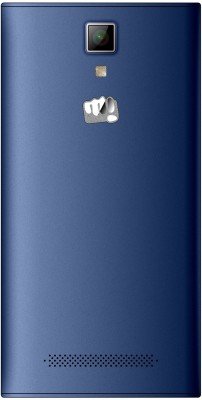
|
|
| Global Score | |
| 49.6 | 78.3 |
| Basic Information | |
| Micromax | Xiaomi |
| Android 4.4.2 | Android 11 |
| -- | 2021-04-20 |
| 5.21 x 2.54 x 0.34 inches | 6.32 x 2.93 x 0.33 inches |
| 5.04 ounces | 6.31 ounces |
| Blue and Gray | Lake Green, Onyx Gray and Pebble White |
| -- | Scratch-Resistant Glass |
| $ 200.00 | $ 199.00 |
| Display / Screen | |
| 4.5 inches | 6.4 inches |
| 480 x 854 pixels | 2400 x 1080 pixels |
| IPS LCD | AMOLED |
| 218 pixels per inch | 411 pixels per inch |
| -- | 1100 cd/m2 brightness |
| Capacitive, Multi-touch | No touch screen |
| 7.6 | 9 |
| Performance | |
| MediaTek MT6582V/X chipset | Qualcomm Snapdragon 678 chipset |
| Quad-Core 1300 MHz processor | Kryo 460, 64-bit, 11 nm (Octa-Core 2200 MHz) processor |
| 1 GB RAM | 4 GB RAM |
| Yes GPU | Adreno 612 GPU |
| 8.19 | 9.18 |
| Storage | |
| 8 GB internal memory | 64 GB internal memory |
| microSD, microSDHC (up to 32 GB) external memory slot | microSDXC (up to 512 GB) external memory slot |
| 4.62 | 11.74 |
| Camera | |
| 5.00 MP + 0.30 MP | 48.00 MP + 13.00 MP |
| -- | f/1.80 aperture |
| -- | 0.5 inches (1/2") sensor |
| 1280 x 720 (HD) video resolution | -- |
| 5.94 | 9.9 |
| Networks | |
| Wi-Fi | Wi-Fi |
| Mobile Hotspot | Mobile Hotspot |
| HSPA+ (4G), HSDPA, HSUPA, EDGE, GPRS and GSM | LTE-A (4G), LTE (4G), HSPA+ (4G), HSDPA and HSUPA |
| SIM, Dual SIM | Nano SIM, Dual SIM |
| 4.6 | 6.7 |
| Battery Life | |
| 1950mAh Li-Ion Battery | 5000mAh Battery |
| Removable Battery | Non-Removable Battery |
| 240 hours standby time 7 hours talk time | -- |
| 3.84 | 6.8 |
| Other Features | |
| Bluetooth 4.0 | Bluetooth 5.0 |
| GPS | GPS |
| -- | Infra-red port |
| -- | Fingerprint ID Scanner |
| Accelerometer, Compass, Light Sensor and Proximity Sensor | Accelerometer, Light Sensor and Proximity Sensor |
| FM Radio | -- |
Comparison review
The Xiaomi Redmi Note 10 is way better than the Micromax Canvas Xpress, having a global score of 78.3 against 49.6. Both phones in this comparison review work with Android OS, but the Xiaomi Redmi Note 10 has 11 version while Micromax Canvas Xpress has Android 4.4.2. Xiaomi Redmi Note 10 is a just a little bit thinner but way heavier phone than the Micromax Canvas Xpress.
Xiaomi Redmi Note 10 features a greater performance than Micromax Canvas Xpress, because it has 3 GB more RAM memory and a greater number of cores (and also faster). Xiaomi Redmi Note 10 has a better looking screen than Micromax Canvas Xpress, because it has a lot higher pixels density, a really larger screen and a much higher 1080 x 2400px resolution.
The Xiaomi Redmi Note 10 has a lot better camera than Micromax Canvas Xpress, because it has a camera with much more mega pixels. Xiaomi Redmi Note 10 counts with a much better memory capacity to install applications and games than Micromax Canvas Xpress, because it has a SD card slot that holds a maximum of 512 GB and 64 GB internal storage capacity.
Xiaomi Redmi Note 10 counts with a really longer battery life than Micromax Canvas Xpress, because it has a 156% greater battery capacity.
The Xiaomi Redmi Note 10 not only is the best phones of the ones we are comparing here, but it's also cheaper than the Micromax Canvas Xpress, making it an easy choice.
Disclaimer: As an Amazon Associate I earn from qualifying purchases.